A California judge’s decision to sentence a woman to probation for stabbing her boyfriend over 100 times, after she claimed cannabis-induced psychosis, has ignited fury and profound grief from the victim’s family, who condemn a justice system they say catastrophically failed. Brenna Speer, now 33, was convicted of involuntary manslaughter in the 2018 killing of 27-year-old Chad O’Melia, but walked free from a Ventura County courtroom with no jail time.
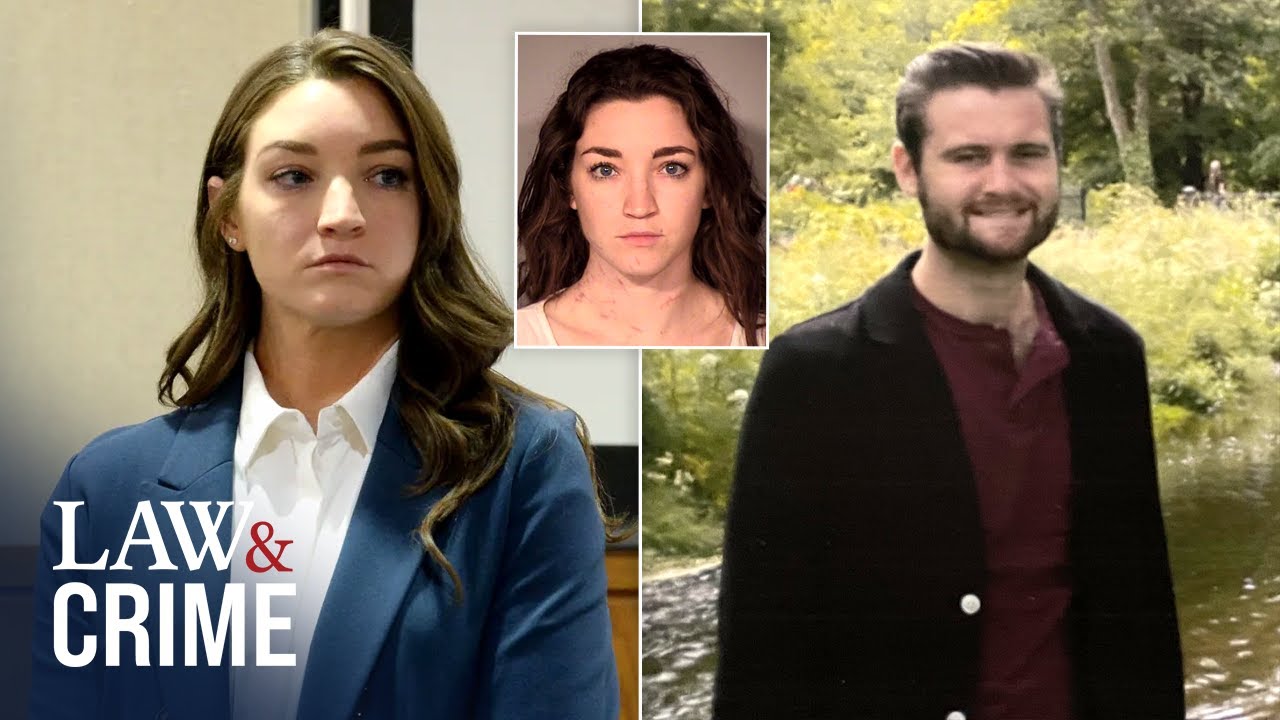 The sentence handed down by Judge David Worley, who is reportedly nearing retirement, included two years of probation and community service. This came despite a jury’s unanimous guilty verdict and a probation department report recommending incarceration. For Chad O’Melia’s father, Sean, the outcome represents a devastating breakdown of justice and an insult to his son’s memory.
“It should never have happened. She should have never have been allowed to walk free. She should have done some time,” Sean O’Melia told Crime Fix in an emotional interview. He described the six-year legal ordeal as a surreal and painful journey where the final act felt like the defendant was absolved of all culpability.
The horrific incident occurred in May 2018 at O’Melia’s Sherman Oaks condo. Prosecutors and Speer agreed on the basic facts: the pair, who had been dating a short time, smoked marijuana from a bong. Speer claimed she subsequently experienced intense hallucinations, blacked out, and awoke to find O’Melia dead.
The scene investigators encountered was one of extreme violence. Chad O’Melia had been stabbed 108 times with a kitchen knife. Speer also stabbed herself in the neck. Her defense centered on a rare and controversial diagnosis: cannabis-induced psychosis, which her attorneys argued rendered her incapable of forming the intent for murder.
 This argument proved persuasive. The charge was reduced from murder to involuntary manslaughter—a non-intentional killing. During the trial, psychiatric experts, including one for the defense, supported the psychosis diagnosis. However, Sean O’Melia points to critical details from those same reports, including a family history of mental illness and a warning that Speer should never be around such substances again.
“Once this type of action or reaction has been tripped in a person’s mind, it’s much easier for it to be retriggered,” O’Melia recounted an expert stating. He expressed terror at the possibility of Speer reoffending, given the court’s leniency.
In the courtroom, Sean O’Melia saw what he believes was clear judicial bias. He called out Judge Worley during the sentencing hearing, accusing him of making excuses for the defendant. “He started almost saying, well, the loss of her medical license is a very difficult thing for her to have to deal with,” O’Melia said. “I was confused about how he was relating that to the loss of a human life.”
The frustration extends beyond the family. The prosecution, which sought the maximum penalty, was reportedly “extremely disappointed.” O’Melia asserts that shock reverberated through the local justice community, given that the judge’s ruling contradicted the jury, the prosecutors, and the probation officer’s recommendations.

Amid the legal controversy, Sean O’Melia is determined to ensure his son is remembered as more than a headline. He described Chad as a protective, loyal, and deeply caring young man with a passion for sports and a budding career in finance. “If somebody was bullying somebody else, he’d be the first guy to step up and say that’s got to stop,” his father said.
He shared a poignant memory from a vigil, where a young woman told him that if Chad was at a party, she knew she was safe. His funeral service drew such a massive crowd that the church overflowed, with people standing outside—a testament to the impact of a life cut brutally short.
Throughout the long legal process, Sean O’Melia says he has never received a direct apology from Brenna Speer. While her father offered a heartfelt apology in court, which O’Melia respected, the defendant’s own final remarks fell short. “She never said that she’s sorry for what happened,” he stated.
 He reserves his strongest condemnation for Speer’s defense team, accusing them of a relentless “victim-blaming” strategy and misrepresenting facts to the media, such as claims about high-potency marijuana that were not supported by evidence. “They know the evidence,” O’Melia said. “There is absolutely zero evidence of that fact.”
For Sean O’Melia, the case underscores a fundamental flaw in the justice system. He argues it is not broken because the innocent are wrongly convicted, but because victims and taxpayers are failed when the guilty face no meaningful consequence. “There are a lot of people in prison right now for manslaughter,” he said. “And they probably did a lot less than what she did.”
As he grapples with sleepless nights and enduring grief, compounded by the light sentence, O’Melia’s mission is now one of advocacy and remembrance. He hopes his son’s story will highlight what he sees as a dangerous precedent and a profound injustice, ensuring Chad O’Melia is remembered for his life, not just the horrific nature of his death.
The Ventura County District Attorney’s office has not indicated if it will appeal the sentence. Judge David Worley has not publicly commented on the criticism of his ruling. The case continues to spark intense debate over legal accountability, mental health defenses, and the value placed on a victim’s life in a court of law.