Incarcerated rapper Honeykomb BRAZY has issued a vehement, profanity-laced denial of “snitch” 𝒶𝓁𝓁𝑒𝑔𝒶𝓉𝒾𝓸𝓃𝓈 from a federal prison cell, while new footage reveals him working out alongside a supportive uncle also serving time. The video, released by the DA PRODUCT DVD channel, shows the artist, whose legal name is Nashon Jones, directly confronting rumors that he has cooperated with law enforcement, a claim he labels as fundamentally antithetical to his character and street credibility.
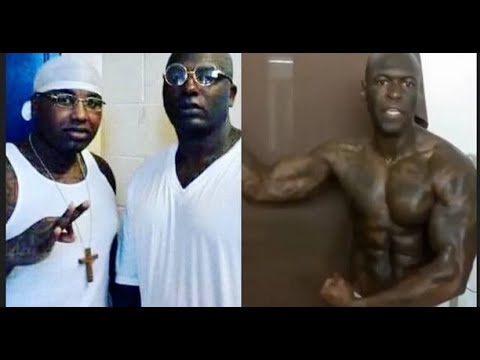 From an unidentified correctional facility, Jones passionately defended his conduct, stating he has never informed on anyone despite facing significant legal pressure. “I’ve been to jail so long… I ain’t blowing the rap… keeping that all the way trill on my mama,” he asserted, using slang for being genuine and loyal. His denial was punctuated by references to past violent incidents, including being shot multiple times, while claiming no one has been arrested for those attacks on him.
The core of his argument addressed specific footage from a past shooting. Jones claimed he possesses video of the incident but has refused to release it because it clearly shows the alleged shooter’s face. Posting it, he argued, would constitute snitching by providing evidence to authorities. “That’s the only reason I ain’t post them… cuz that face on the camera… I can’t post that because I ain’t trying to tell on nobody,” he explained, framing his silence as a point of principle.
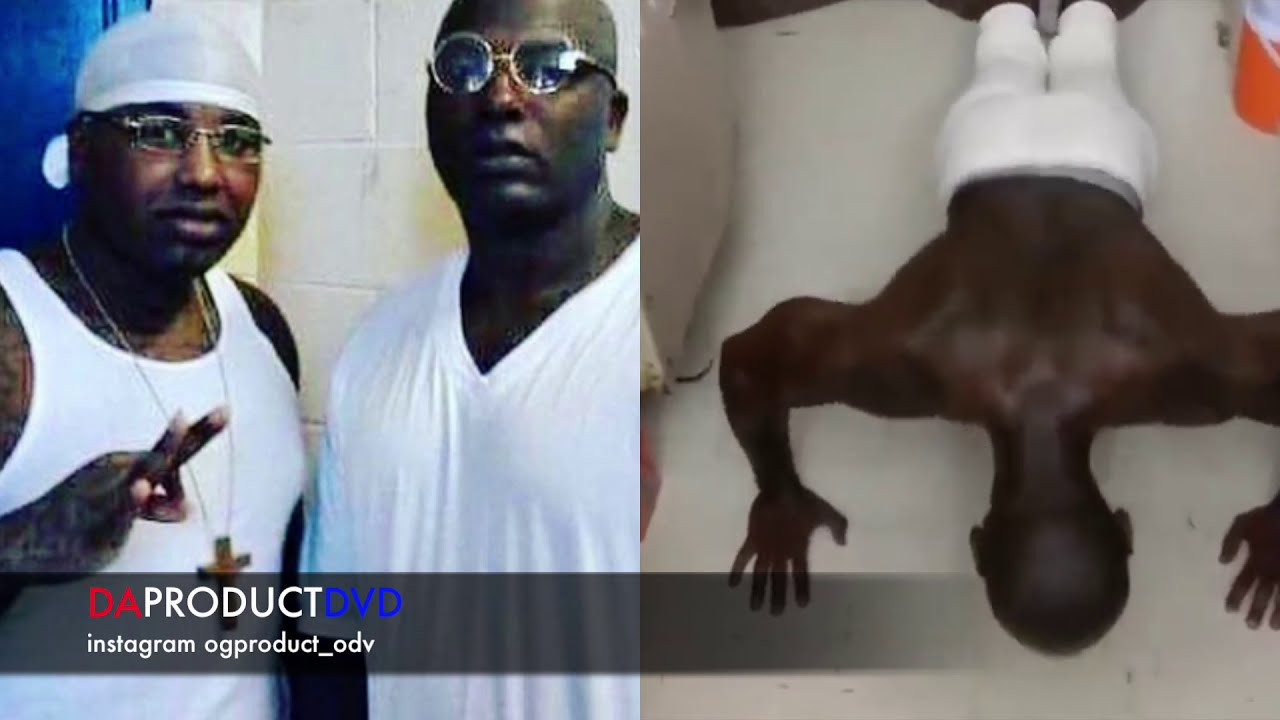
The video then shifts to show Jones engaged in a rigorous workout within a prison gym, performing pull-ups and other exercises. He is joined and encouraged by an older man identified as his uncle, who is also incarcerated. Their interaction reveals a deep familial bond forged behind bars, with the uncle expressing pride in his nephew’s success and resilience. “I’m proud of you… we made it now I’m rich cause my nephew rich,” the uncle states, highlighting how Jones’s music career has impacted their family.
This familial support underscores the personal stakes of the snitching 𝒶𝓁𝓁𝑒𝑔𝒶𝓉𝒾𝓸𝓃𝓈 within the insular codes of street and prison culture. Accusations of cooperation with police can lead to social ostracization, violence, and a permanent stain on one’s reputation. For Jones, whose artistic persona is built on authenticity, such rumors threaten his standing with fans and peers alike.

The uncle’s presence and commentary add a layer of generational perspective to the footage. He references serving two decades and displays old photographs, painting a picture of a life deeply entangled with the penal system. His encouragement of Jones’s physical fitness is portrayed as a metaphor for mental and spiritual fortitude while enduring a lengthy sentence.
Jones’s monologue also delved into the chaotic nature of street violence, offering a grim perspective on survival. He described scenarios where return fire is necessary without a clear visual target, simply based on the direction of an attack. “Sometimes you can’t see who shooting at you… long you bust that back, that’s all that matter,” he said, referencing his own experience of being shot eight times by an unknown assailant.
The setting of the video itself, a federal prison, is a critical backdrop. Jones is currently serving a significant sentence for firearm charges, a fact that adds weight to his claims of not cooperating. Federal cases often involve intense pressure to provide information for reduced sentences, making his public denial a calculated risk aimed at a specific audience.
Reaction from the online community where the video was posted has been mixed, with some viewers accepting his explanation as a staunch defense of his integrity, while others remain skeptical, noting that such denials are common regardless of truth. The debate fuels ongoing discussions about loyalty, survival, and image within hip-hop culture.
This incident is not isolated for Honeykomb BRAZY, whose career has been punctuated by legal troubles and violent episodes. His music often reflects these experiences, and maintaining a credible image is paramount. The DA PRODUCT DVD channel, which released the footage, specializes in content from within the prison system, catering to an audience fascinated by the raw, unfiltered realities of incarcerated life.
Legal analysts suggest that such public statements from incarcerated individuals can be fraught, potentially affecting ongoing cases or parole hearings. However, they also serve as a powerful tool for narrative control, allowing the individual to speak directly to their base without media filtration.
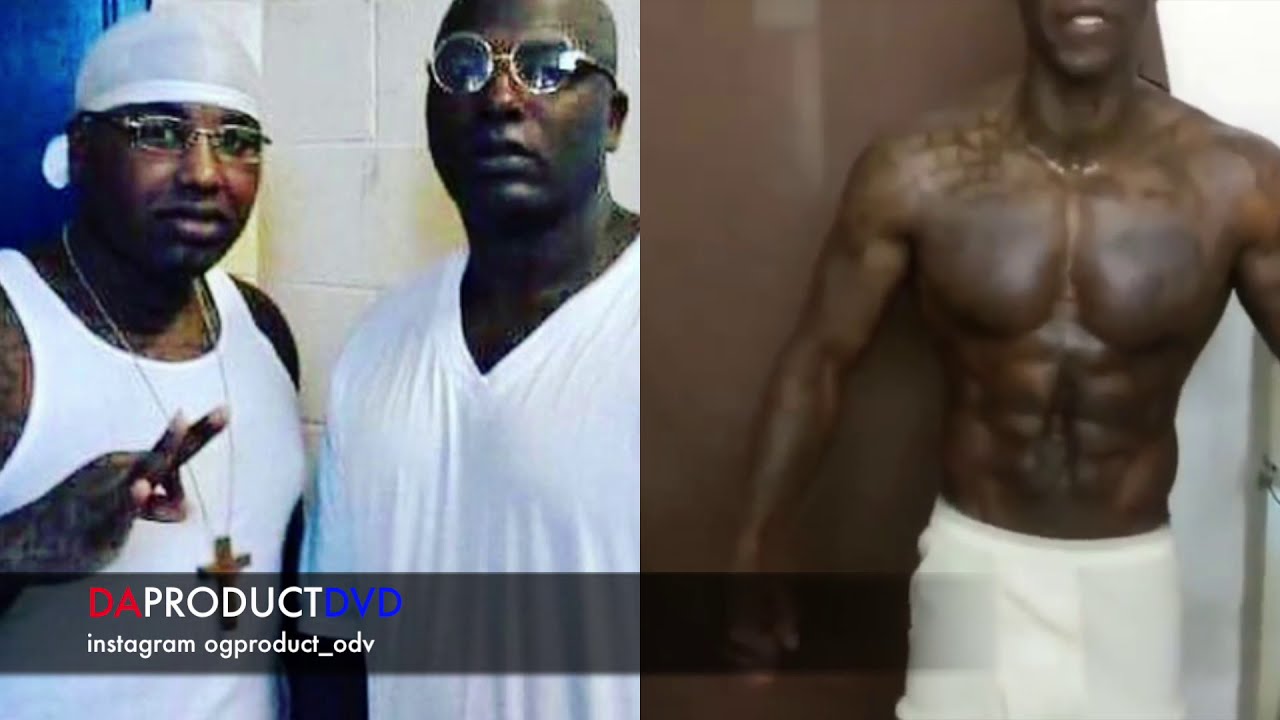
The video concludes with the uncle delivering a final message of resilience and warning. “Let them know your uncle still standing,” he says, affirming their continued strength despite incarceration. The footage stands as a stark document of life behind bars, where reputation is currency and familial bonds are tested and strengthened in extreme environments.
For Honeykomb BRAZY, this public address is a high-stakes maneuver to protect his legacy and assert his version of events. In the court of public opinion, where 𝒶𝓁𝓁𝑒𝑔𝒶𝓉𝒾𝓸𝓃𝓈 can be as damaging as convictions, this cell-block testimony is his latest and most personal evidence for the defense. The full impact of this release on his career and standing within the community remains to be seen as the video continues to circulate and spark debate across social media platforms and music forums.
The intersection of hip-hop, incarceration, and street credibility is a complex and often dangerous space. Artists like Jones navigate a precarious path, where their art is drawn from lived experience but must constantly be defended against challenges to its authenticity. This video provides a rare, unfiltered look into that ongoing struggle, directly from the source and within the walls that currently define his existence.
As the discussion unfolds online, the central themes of loyalty, survival, and truth resonate beyond a single artist’s reputation, touching on broader issues within the justice system and urban communities. The footage of Honeykomb BRAZY and his uncle is more than a denial; it is a raw portrait of maintaining identity and family under the most restrictive circumstances imaginable.