The city of Minneapolis is once again a crucible of national outrage and grief following the fatal shooting of a civilian by federal immigration agents, an incident local officials and a grieving family are calling a state-sanctioned execution based on a lie. Alex Pretti, a 37-year-old ICU nurse who cared for veterans, was killed over the weekend after intervening when a woman was pepper-sprayed by agents, an act now condemned as a profound injustice that has pushed community tensions to a breaking point.
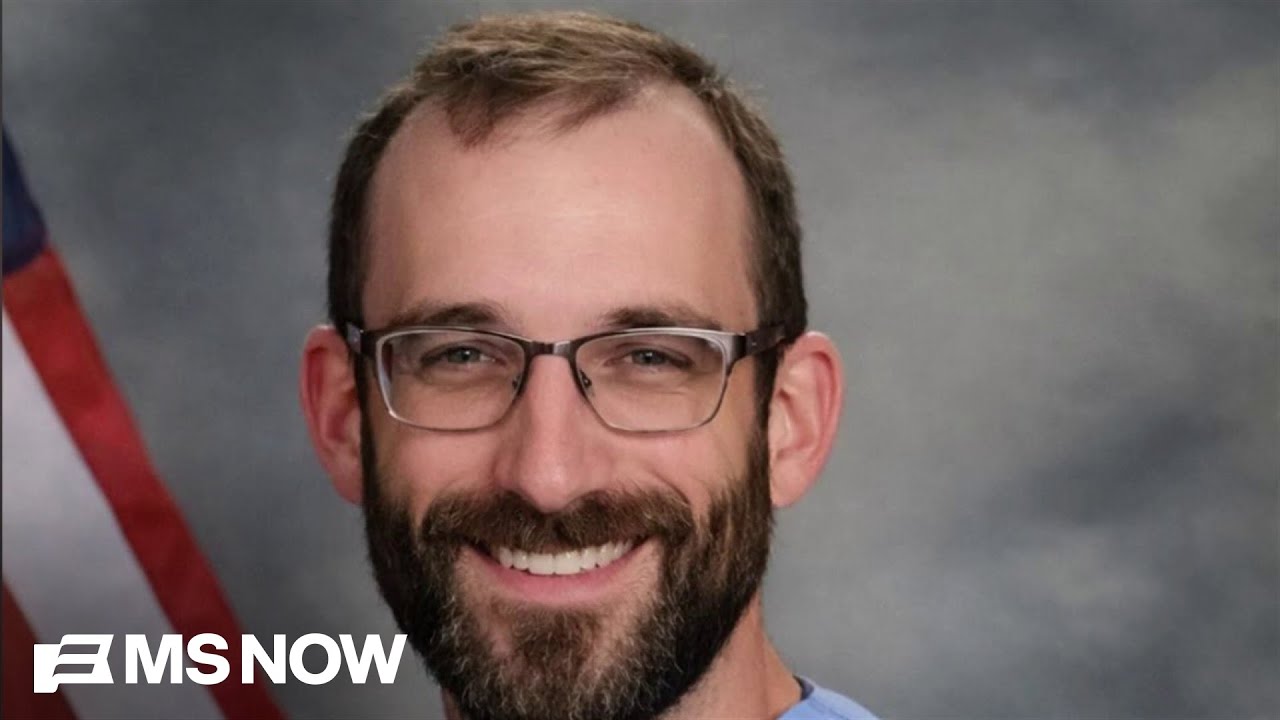 Video evidence from the scene, widely circulated and analyzed, shows Pretti moving to shield the woman after she was sprayed. He is then pepper-sprayed himself, tackled, and restrained by agents before they opened fire on him multiple times at close range. Crucially, no footage has emerged showing Pretti brandishing the firearm he was legally permitted to carry, a fact that has become central to the escalating political and legal firestorm.
In direct contradiction to the visual record, Department of Homeland Security Secretary Kristi Noem labeled Pretti a “domestic terrorist,” claiming his mere possession of a firearm justified the lethal response. This characterization has ignited fury, given the administration’s prior pardons for armed individuals convicted of crimes during the January 6th Capitol insurrection. The administration’s narrative was forcefully pushed in televised statements attempting to justify the shooting.
“The sickening lies told about our son by the administration are reprehensible and disgusting,” said Pretti’s parents in an emotional plea. “Please get the truth out about our son. He was a good man.” This demand for truth is now fueling a multi-front backlash across Minneapolis and within state government, transforming civic grief into organized resistance against the federal presence.
 On the legal front, the State of Minnesota has urgently petitioned a federal court to order an end to the ICE deployment in Minneapolis. During a tense hearing, a judge sharply questioned Justice Department lawyers, probing whether a letter from Attorney General Pam Bondi linking the end of ICE operations to the state abandoning sanctuary policies and handing over voter rolls constituted illegal coercion. A ruling is expected imminently.
Minneapolis Police Chief Brian O’Hara publicly challenged the federal narrative, stating Pretti appeared to be “exercising his First Amendment rights to record law enforcement activity and also exercising his Second Amendment rights to lawfully be armed.” He confirmed his department had seen no evidence Pretti brandished his weapon, raising what he called “serious questions” about the shooting’s justification.
The community’s response has been one of sustained, raw mourning and defiance. Since the shooting, residents have maintained a constant vigil at the scene in sub-zero temperatures, echoing the protests that followed the killing of another civilian, Rene Good, by federal agents just weeks prior. The atmosphere is described as a city in perpetual mourning, grappling with a series of traumatic encounters with federal authorities.
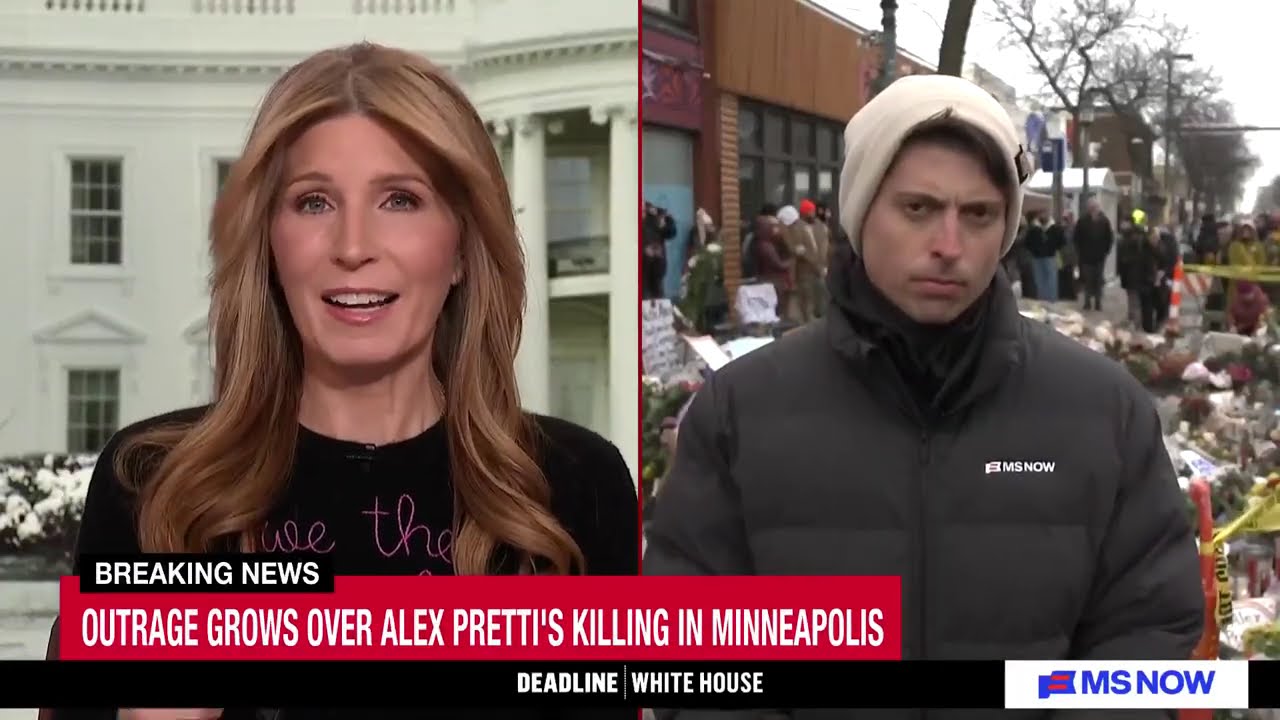
“I’m ashamed of all of this. This is not my America,” said 70-year-old Greg Ketter, who rushed to the scene after hearing the news. His sentiments, captured in a moment of cathartic anger, reflect a broader feeling of betrayal. “It’s a shameful period in American history… having our own police or whatever you want to call it… come after Americans. It’s just not right.”
The friction extends beyond this single incident, with community members citing the recent detention and transfer to Texas of a five-year-old boy by federal agents as part of a pattern of intimidation. This has fostered a climate where residents feel they must physically place themselves between federal agents and their neighbors, a dangerous dynamic that many fear is escalating towards greater conflict.
 Analysts and seasoned law enforcement officials have expressed bewilderment at the official justification for the shooting. Multiple sources within law enforcement told news outlets they could not discern a legal rationale for the use of deadly force based on the available evidence. This professional skepticism further undermines the administration’s claims and bolsters calls for an independent investigation.
The political stakes are monumental, with the administration aggressively disputing clear video evidence in what critics describe as a blatant 𝓈𝓂𝑒𝒶𝓇 campaign intended to obscure an unjustifiable act of violence. This strategy, seen repeatedly in previous incidents, is now meeting with amplified resistance from a public increasingly unwilling to, in the words of one commentator, “disbelieve their own eyes and ears.”
For the people of Minneapolis, the death of Alex Pretti is not an isolated tragedy but the latest chapter in what they experience as an ongoing 𝒶𝓈𝓈𝒶𝓊𝓁𝓉 on their community and their rights. The pushback is morphing into a sustained fact-finding and accountability mission, driven by a family’s grief and a city’s resolve. As legal battles rage in courtrooms and vigils persist on frozen streets, Minneapolis stands as a stark emblem of a national crisis in policing, truth, and the very meaning of democracy under strain.
The situation remains volatile, with community organizers planning further demonstrations and legal observers maintaining a watchful presence. The imminent court ruling on the state’s petition could either defuse or dramatically escalate the confrontation, determining whether federal agents will continue to operate in a city that now views their presence as an existential threat to its safety and civic peace. The nation watches, waiting to see if the truth Pretti’s parents begged for will finally prevail over what they have condemned as reprehensible lies.