A simmering feud between rap generations has exploded into public view after rising Memphis star Finesse2Tymes unleashed a furious social media tirade against hip-hop legends Bone Thugs-N-Harmony over a $40,000 sample clearance fee. The controversy, centering on respect, business, and the cost of legacy, has ignited a fierce debate across the hip-hop community.
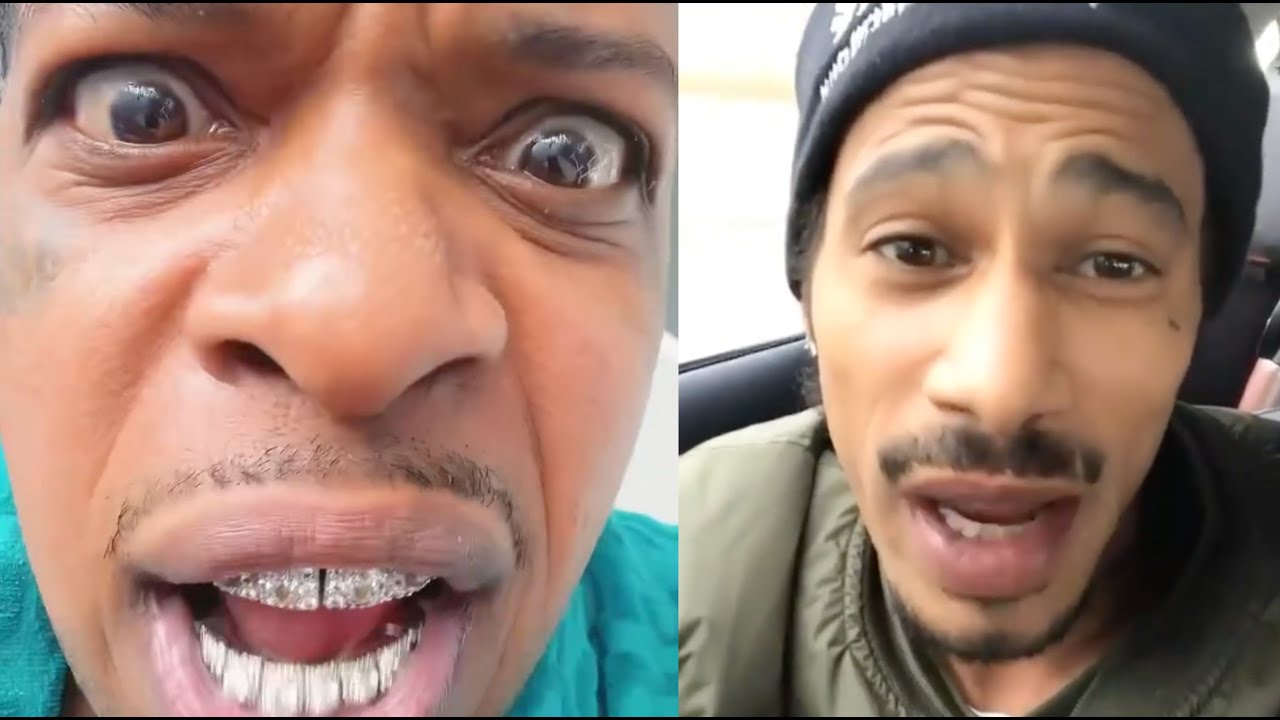 The conflict stems from a freestyle Finesse2Tymes performed months ago on a podcast, where he rapped over the classic Bone Thugs-N-Harmony and The Notorious B.I.G. track “Notorious Thugs.” While initially seen as a standard homage, the situation escalated when his label reportedly sought formal clearance. The legendary Cleveland group’s camp allegedly quoted a $40,000 fee to license the sample.
This figure sent Finesse2Tymes into a rage. In a series of now-𝓿𝒾𝓇𝒶𝓁 video rants, the “Back End” raiter expressed deep personal offense, suggesting the group showed him no professional courtesy or “love” before presenting what he considered an exorbitant demand. “He better tell me mother ankle bone or somebody to be cool,” he shouted, mocking the group’s member names. “He don’t need to tell me to be cool.”
He framed the fee as a disrespectful barrier from elders he admired, contrasting it with the collaborative spirit he expected. “All you had to say was… ‘be cool,'” he argued, implying a simple conversation should have preceded a steep invoice. For Finesse2Tymes, the issue was fundamentally about respect and mentorship seemingly denied.
The response from Bone Thugs-N-Harmony member Layzie Bone was a study in calm contrast. Addressing Finesse2Tymes directly in a video, he meticulously clarified the business realities. He first noted the sample likely required clearance from Bad Boy Records, holder of the Biggie master, not solely from Bone Thugs.

He then dismissed any notion of “beef” but firmly stated, “Ain’t no checking going on out here flat out,” rejecting the idea of informal favors in serious business matters. His tone turned advisory, urging the younger artist to “slow down on them drugs” and secure a knowledgeable team to navigate the industry’s complexities for longevity.
Layzie Bone later posted the original freestyle video, praising Finesse2Tymes’ performance as “hard AF” and the focused artist he saw in it. He drew a sharp distinction between that talented individual and the “discombobulated” person raging online, offering help and guidance “on some thug love.” This paternal, solution-oriented approach only further incensed Finesse2Tymes.
The Memphis raiter fired back with even more intensity, mocking the “young grasshopper” comment and challenging Layzie Bone’s public recognition in a profanity-laden outburst. “Don’t nobody know you,” he claimed, suggesting the group’s legacy didn’t warrant the high fee. The conflict solidified into a stark generational clash.

At its core, the dispute highlights the immutable conflict between artistic homage and intellectual property law. New school artists often view sampling as a tribute and a collaborative gateway, while legacy acts, many of whom fought for ownership rights, treat their catalogs as vital financial assets requiring strict protection.
The $40,000 figure, while 𝓈𝒽𝓸𝒸𝓀𝒾𝓃𝑔 to fans, is not extraordinary in high-level sample clearance, especially for a major hit from a multi-platinum album. Industry analysts note that fees are calculated based on a song’s legacy, projected use, and the new artist’s commercial potential, often seen as an investment in legitimacy.
Finesse2Tymes’ public venting, while cathartic, is widely viewed by industry veterans as a strategic misstep. By moving a private negotiation into the court of public opinion, he potentially hardened the opposition and eliminated room for behind-the-scenes compromise. It transformed a business discussion into a personal war of pride.

The online fallout has been immediate and divisive. Older hip-hop fans largely side with Bone Thugs, emphasizing the necessity of paying dues and respecting business boundaries. Younger audiences sympathize with Finesse2Tymes, viewing the fee as a predatory move by out-of-touch legends stifling new creativity.
This incident serves as a brutal onboarding seminar for the streaming generation. It underscores that in the modern music industry, no sample is free, legendary catalogs are fiercely guarded retirement funds, and assumed “family discounts” are often a mirage. The emotional connection an artist feels to a classic record holds no legal or financial weight.
The saga also raises questions about artist preparedness. Layzie Bone’s repeated query, “Where’s your team?” points to a common pitfall where explosive talent lacks the business infrastructure to manage complex licensing, leaving the artist to confront corporate realities with raw emotion.
As the dust settles, the path forward remains unclear. Whether this ends with a negotiated deal, a scrapped song, or permanent bad blood is yet to be seen. However, one lesson is already etched in stone: the bridge between hip-hop’s past and its future is a toll bridge, and the price of crossing is non-negotiable.