The hip-hop world is rocked by a blistering verbal 𝒶𝓈𝓈𝒶𝓊𝓁𝓉 from one of its most iconic figures, as Cam’ron launches a scathing critique against a newly formed alliance of his peers. In a fiery segment from his popular “It Is What It Is” podcast, the Dipset pioneer eviscerated Jim Jones, Maino, Dave East, and Fabolous, accusing them of forming a hollow coalition built solely on a shared animosity toward him.
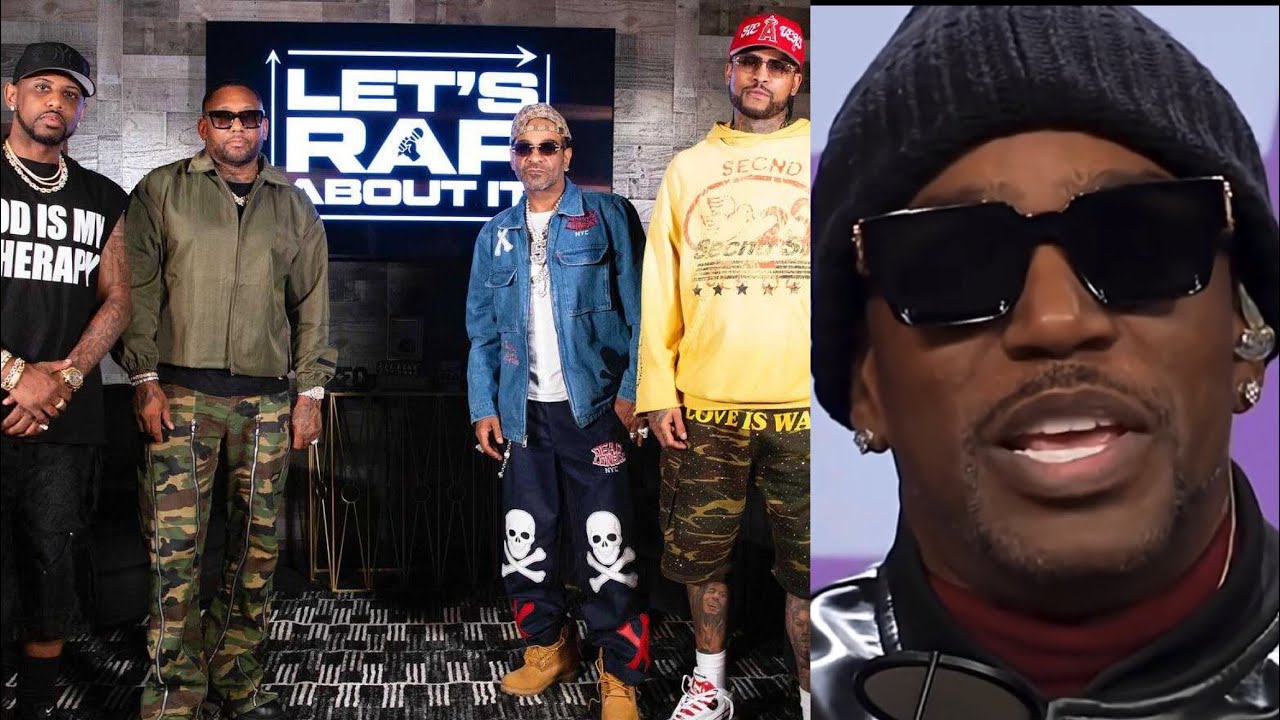 Cam’ron’s outburst cuts to the heart of longstanding tensions within the New York rap scene, particularly the fractured relationship with his former Dipset lieutenant, Jim Jones. Their fallout, exacerbated during the peak of 50 Cent’s feud with Cam’ron, remains a foundational wound in hip-hop history. Now, Cam’ron suggests that old grievance has become the glue for a new group.
The catalyst appears to be the recent emergence of a podcast or collaborative venture involving Jones, Maino, East, and Fabolous. Cam’ron dismisses their camaraderie as entirely fabricated, a performance staged for public consumption and podcast clicks. He contends their bond is superficial and transactional, lacking any genuine foundation.
“They don’t even really know each other that well and they team up and start hanging out ‘cuz the only denominator is they don’t like you,” Cam’ron stated with palpable disdain. He framed himself as the central, unifying figure in their otherwise disconnected lives, the singular common interest they share.
His critique escalated into outright mockery, questioning the depth of their personal knowledge of one another. “I know deep down inside you like, ‘I don’t even know this [person’s] real name… What is this [person’s] name?’” he quipped, suggesting their alliance is so new they haven’t even moved past formalities.

The core of Cam’ron’s argument is that this collective “looks stupid” and “dumb.” He positions himself as the only figure in the industry willing to voice this blunt assessment publicly. “Nobody else will tell them they look stupid. I’mma do it for y’all,” he declared, embracing the role of a truth-teller cutting through perceived hypocrisy.
He directly challenged the authenticity of their sudden unity. “Oh, now they cool all of a sudden? They ain’t realized they had this much in common? What y’all got in common? Y’all ain’t got nothing in common,” he argued, reducing their entire association to a shared enemy: himself.
The reaction from his co-hosts underscored the segment’s impact, with laughter following his most pointed barbs. When suggested the group merely seeks his attention, Cam’ron dismissively retorted, “I’m giving it to him for the five… I just gave them they five minutes,” implying the spectacle was only worthy of a brief moment of his time.
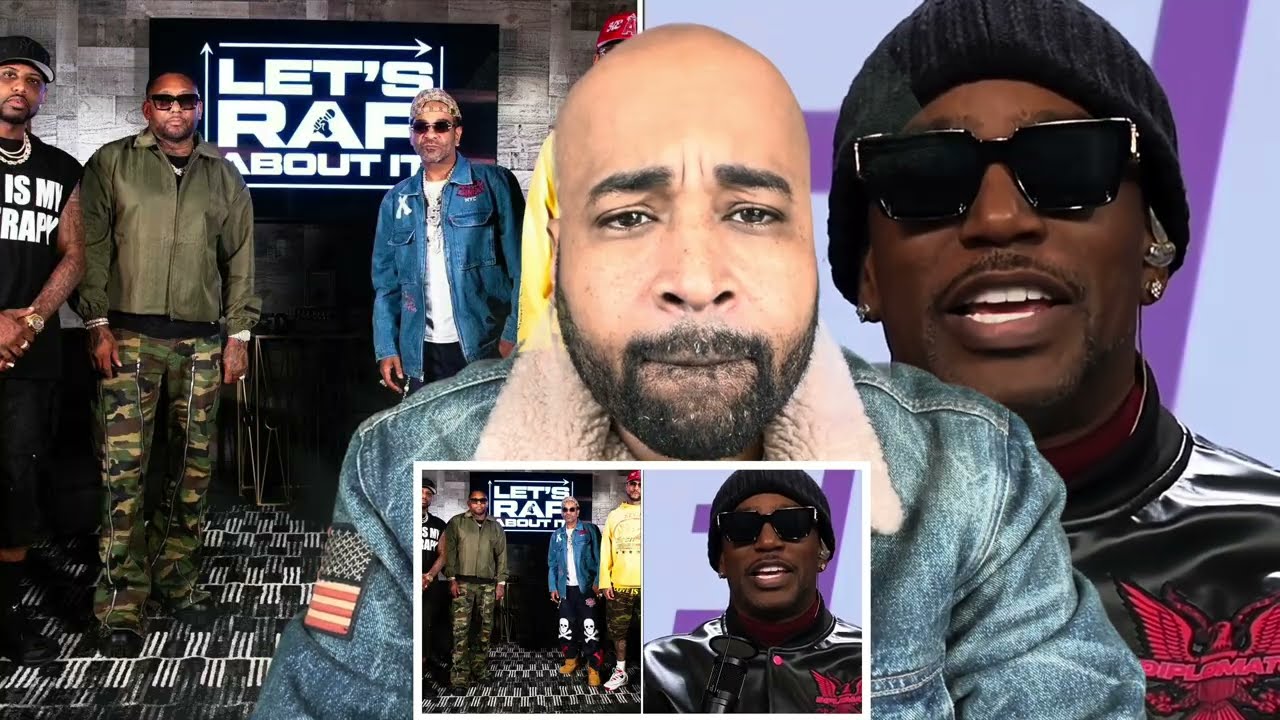
This incident highlights the complex interpersonal dynamics and business rivalries that continue to define hip-hop’s ecosystem. The proliferation of podcasts has created new platforms for these conflicts to play out, turning audio studios into modern-day battlegrounds for legacy, respect, and market share.
Industry observers note the strategic timing of such verbal wars, often coinciding with new project launches or ventures to generate buzz. The accusation that financial incentive drives these alliances was acknowledged even by the reporting podcast host, who noted podcasts are a vital “revenue stream” for many artists today.
Nevertheless, Cam’ron’s tirade resonates because it touches on universal themes of authenticity and manufactured conflict. The question of whether collective dislike can form a legitimate bond, or if it inevitably leads to a fragile and “stupid”-looking partnership, is now laid bare for public debate.
The response from Jim Jones, Maino, Dave East, and Fabolous is now highly anticipated. Will they present a united front to rebut the claims, or will Cam’ron’s attempt to expose fault lines cause internal strain? The ball lies in their court, but the opening salvo has been fired with characteristic Cam’ron ferocity.
This public dismantling serves as a potent reminder of Cam’ron’s enduring influence and his skill in controlling narratives. By framing the group’s entire existence as a reaction to him, he immediately assumes a position of psychological dominance in the conflict, forcing them to respond on his terms.
The saga also reflects the evolving nature of hip-hop beefs, where diss tracks are now accompanied by podcast monologues and social media subtext. The audience’s role has expanded from passive listener to active juror, parsing clips and comments for evidence of real animosity or performative 𝒹𝓇𝒶𝓂𝒶.
As the dust settles from this initial explosion, the focus shifts to whether this will remain a war of words or escalate into something more substantive. Cam’ron has drawn a clear line in the sand, challenging not just their dislike, but the very legitimacy of their association. The hip-hop community now watches and waits for the next move in this high-stakes game of reputation and respect.